African Men Ain't for the Weak: The Harsh Truth About Love, Trauma, and Therapy
- Liz
- Mar 11
- 3 min read
Updated: Apr 21
Let’s be real from the start this isn’t about bashing African men.
It’s about telling the truth people keep dancing around.

Loving an African man can feel like trying to unlock a vault with no code. Not because there’s nothing inside, but because everything inside has been locked away for years by culture, by upbringing, by expectations of what a “man” is supposed to be. And if you’re not careful, you’ll spend your time loving him while slowly abandoning yourself.
That’s the harsh part.
A lot of African men were not raised to process emotions they were raised to suppress them. Vulnerability wasn’t strength; it was weakness. Therapy wasn’t normal; it was something “other people” did. So what you get is a man who can provide, protect, even love in his own way… but struggles to communicate, to open up, to truly connect.
And that gap? It shows up in relationships.
Silence instead of communication.
Anger instead of vulnerability.
Control instead of emotional safety.
Not always. But often enough to talk about it honestly.
And here’s where it gets complicated because this isn’t coming from nowhere. There’s generational trauma in the mix. Colonial history. Economic pressure. Family expectations. A constant demand to be strong, unshaken, unquestioned.
So yes, there are reasons.
But reasons are not excuses.
Because at some point, adulthood requires accountability. You can’t keep bleeding on people who didn’t cut you and call it culture. You can’t expect a woman to be your therapist, your emotional translator, your peace, and your punching bag (emotionally or otherwise) all while refusing to do the internal work yourself.
That’s not love. That’s imbalance.
And this is where therapy comes in the word so many avoid.
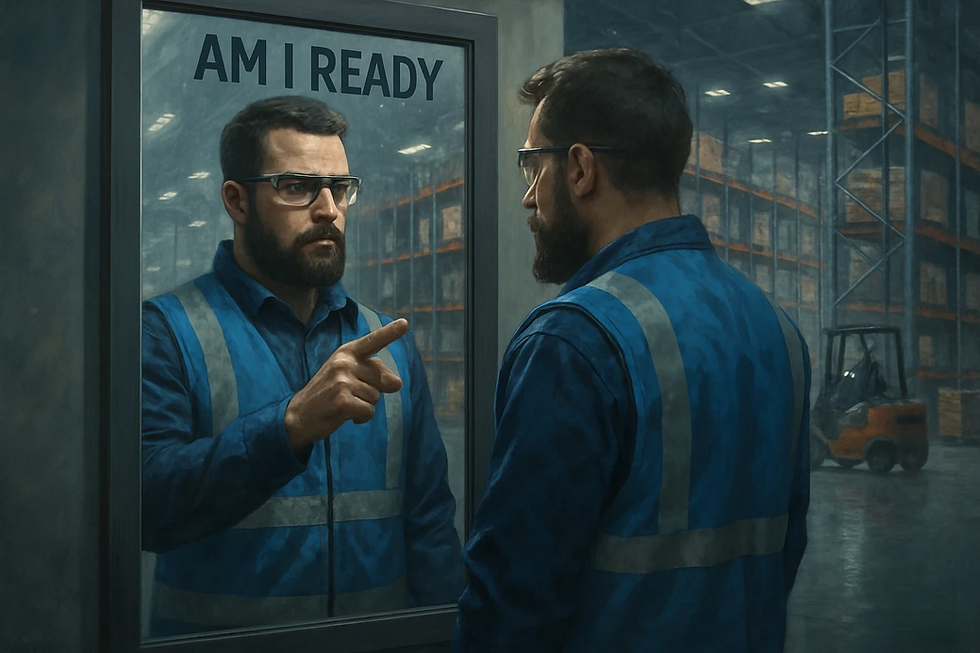
Therapy doesn’t make you weak. It exposes where you’ve been forced to be strong for too long. It teaches you how to understand yourself so you stop hurting the people closest to you. It gives language to emotions you were never allowed to express.
But many African men still resist it.
Why? Pride. Stigma. Fear of being seen differently. Fear of opening doors they’ve spent years trying to keep shut.
So instead, the cycle continues.
Women overextend. Men withdraw. Misunderstandings grow. Resentment builds. And both sides end up frustrated, feeling unseen in different ways.
Now let’s be clear not all African men are emotionally unavailable. Some are doing the work. Some are unlearning, growing, showing up better every day. And they deserve recognition too.
But we can’t ignore the pattern just because it’s uncomfortable.
And for women navigating this reality, here’s the truth that doesn’t get said enough:
You cannot heal someone who refuses to acknowledge they’re hurting.
You cannot love someone into emotional awareness.
And you should not have to shrink your needs just to maintain a relationship.
Support is one thing. Self-sacrifice is another.
At the same time, this isn’t about giving up on African men. It’s about raising the standard of what love should look like emotionally, mentally, and spiritually. It’s about encouraging growth without enabling stagnation.
Because real strength isn’t silence.
Real strength is self-awareness. Accountability. The courage to confront what’s been buried. African men aren’t “not for the weak.”
They’re for the ones who understand that love without emotional responsibility is not sustainable and who are willing to demand better while also choosing better for themselves. That’s where the real shift begins.


Comments