Loyalty vs. Public Opinion: Why Celebrity Kids Don’t Turn on Their Parents
- Liz
- Apr 21
- 2 min read
People have been quick to clown Christian Combs lately pointing out the partying, the shift in content, the “I don’t care” energy. To the internet, it looks like someone spiraling or ignoring reality.
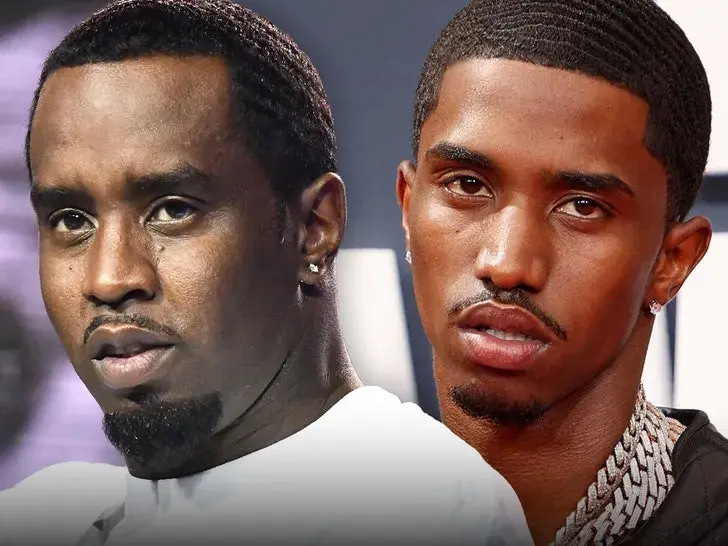
But that’s only the surface.
What people are seeing is a change: more nightlife, more provocative posts, less presence in polished spaces like fashion shows or major blog features. His circle looks smaller. The energy feels different. And naturally, the assumptions follow he’s crashing out, he’s falling off, he’s out of touch.
That’s the easy narrative.
The harder, more honest one is this: what if he’s reacting, not unraveling?
When your family is under intense public scrutiny, especially at a level that dominates headlines, your entire world shifts. Not just your opportunities, but your identity. Every move you make gets filtered through public opinion. Every post becomes a statement. Every silence gets analyzed.
Some people respond by shrinking.
Others respond by pushing back.
That “I don’t care” energy people are criticizing? It can just as easily be a form of control. When everything around you feels judged or restricted, doing the opposite of what’s expected becomes a way to reclaim power. It’s not always confidence it’s sometimes resistance.
At the same time, the industry doesn’t always make loud announcements when it distances itself. There’s rarely a formal “blacklist.” Instead, it’s quieter than that. Fewer invites. Less coverage. Opportunities that stop coming without explanation. The absence speaks louder than any statement ever could.
Then there’s the social circle. People are surprised when friends seem to disappear during moments like this, but it’s not as complicated as it looks. Pressure reveals what relationships are built on. Some people step back to protect their own futures. Some connections were never meant to survive anything beyond good times. And sometimes, distance isn’t dramatic it’s gradual and unspoken.
But the biggest conversation here isn’t about parties or friends. It’s about loyalty.
There’s an unspoken expectation online that if a parent is facing public controversy, their children should publicly distance themselves to prove some kind of moral stance. As if love and loyalty are things you can switch off to satisfy public opinion.
Real life doesn’t work like that.
Your parent is your first sense of safety, identity, and guidance. That bond doesn’t disappear because the internet demands it. Supporting your parent doesn’t automatically mean you co-sign everything tied to their name. It means your relationship with them is personal, not performative. And that’s where the disconnect happens.
The internet wants clear sides good or bad, right or wrong. But real people exist in the gray area. They’re navigating emotions, history, and pressure all at once, often in front of millions of people who don’t actually know them.
So instead of asking why someone isn’t reacting the “right” way, maybe the better question is: what would most people do if their personal life became public debate overnight?
Maybe the partying, the posts, the shift in behavior it’s not about ignoring reality.
Maybe it’s about trying to hold onto some sense of self in the middle of it.
Because at the end of the day, it’s easy to judge from the outside.
It’s a lot harder to live through it in real time.



Comments